Qualifying for an investment property loan can be difficult when tax returns do not reflect…
Houston Real Estate Investment: Top Neighborhoods and Financing Strategies
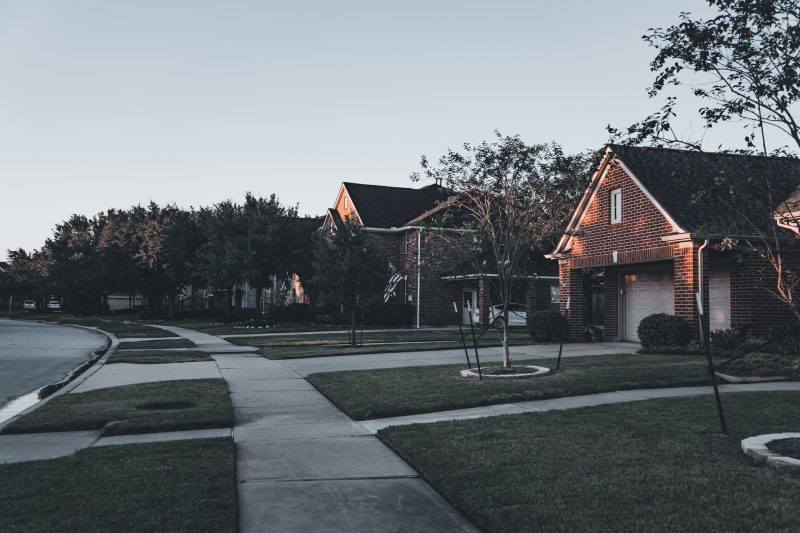
Investing in real estate around Houston can create lasting wealth, but choosing the right neighborhood — and the right financing — can make all the difference.
**Some of Houston’s strongest investment opportunities are found where neighborhood fundamentals pair with investor-focused financing to boost your long-term returns.**
In this overview, I’ll walk you through Houston’s standout investment neighborhoods, a practical look at financing options, and real-world considerations for investors across the metro.
Key Takeaways
- Purpose: Help Houston-area investors identify strong neighborhoods and choose effective financing for both short- and long-term strategies.
- Neighborhoods: Midtown, The Heights, EaDo, Westchase, and Spring Branch continue to attract investment due to population and economic trends.
- Financing: Investment property loans, DSCR loans, bridge financing, and bank statement programs offer flexibility — but requirements vary.
- Best For: Residential and multifamily investors, self-employed buyers, and those prioritizing both structure and long-term growth.
Quick Answers: Houston Real Estate Investment
- What makes a Houston neighborhood “investor-friendly”?
Investor-friendly neighborhoods often show consistent demand, access to jobs or schools, walkability, and a track record of rental growth or value appreciation. - What is a DSCR loan, and why is it popular with investors?
**A DSCR loan (Debt Service Coverage Ratio loan) is based on property cash flow, not personal income, making it well-suited for rental property acquisitions.** - Do I need to live in Houston to invest here?
No — out-of-area and out-of-state investors are active across Houston, though working with local property management and knowledgeable financing professionals is highly recommended. - Is it easier to buy single-family or multifamily rentals in Houston?
Both options are common, but financing and management needs differ. Many investors start with single-family homes due to lower upfront cost, then scale up.
Why Houston Remains a Prime Market for Real Estate Investment
At Juan-Carlos Sotomayor (NMLS# 2531334), I see a constant: Houston’s real estate market is defined by scale, diversity, and steady demand. Major employers, world-class hospitals, universities, and Houston’s role as an energy hub all translate to new residents, stable job growth, and ongoing need for rental and for-sale housing.
Still, every deal is unique. Some neighborhoods are stable, with predictable long-term gains. Others provide opportunity for above-average rental yields with a bit more complexity. For both, capital with purpose and the right structure drive performance.
Top Houston Neighborhoods for Investment
Let’s look at the full picture—location, property trends, and community economics. Here are five areas consistently on investor radar:
1. The Heights
Historic charm meets rapid redevelopment. The Heights appeals to buyers and renters seeking access to downtown, walkability, and a unique local vibe. Renovations and accessory dwelling units abound, with multifamily conversions and new townhome builds on small lots. Price points have risen, so thoughtful financing solutions are essential to cash flow.
2. Midtown
Proximity to downtown, nightlife, and medical/education corridors mean strong rental demand. Condos, townhomes, and smaller apartment complexes remain popular. For investors, bridge loans and DSCR financing can provide the leverage needed to compete or reposition properties before transitioning to long-term hold.
3. EaDo (East Downtown)
Known for its food scene, new construction, and proximity to sports/arts districts, EaDo draws both young professionals and longer-term residents. Values have increased but remain accessible compared to central neighborhoods. Investors targeting value-add may use bank statement loans or traditional investment loans to acquire properties that need work.
4. Spring Branch
This neighborhood offers a mix of older single-family homes, new builds, and smaller multifamily units. Investors like Spring Branch for lot sizes and opportunities to increase density. Bridge home loans or construction home loans are commonly used for redevelopment projects.
5. Westchase
Driven by major employers and easy highway access, Westchase is home to diverse housing types, including garden apartments and single-family rentals. Rental demand remains stable. Those expanding portfolios here often rely on investment property loans with flexible terms to manage reserves and maximize yields.
How to Evaluate a Houston Neighborhood for Investment
Every investor brings different objectives, so there’s no single “best” neighborhood — only the best fit for your strategy.
Consider the following:
- Population and Job Growth: Steady influx means consistent tenant demand.
- Rental vs. Buy Ratios: High rental rates support DSCR loan eligibility and cash flow targets.
- Redevelopment & New Construction: Areas with ongoing building create opportunity but also competition.
- Price Points & Entry Costs: Some established neighborhoods require more capital up front, affecting your financing structure.
- Property Condition: Value-add or fix-and-flip opportunities demand different loan types than turnkey rentals.
Order. Discipline. Focus. Good investments start with clear objectives, realistic financial modeling, and an honest assessment of resources.
Common Financing Solutions for Houston Real Estate Investors
These programs aren’t one-size-fits-all. Each offers advantages and considerations:
| Loan Type | Best Use | Key Features |
|---|---|---|
| DSCR Loan | Rental property purchase/refi | Qualifies based on property income, not borrower’s tax returns; flexible on employment status |
| Bridge Loan | Fix-and-flip, time-sensitive purchases | Short-term; funds purchase and/or rehab |
| Investment Property Loan | Turnkey rental or portfolio expansion | Traditional income/verifiable asset qualification; competitive rates/terms |
| Bank Statement Loan | Self-employed/inconsistent income | Uses bank statements to verify income instead of tax returns; more flexible documentation |
| Construction Loan | Ground-up builds or major remodels | Draw-based funding for land + construction, specialized underwriting |
Structure matters: Choosing the right program impacts your leverage, cash flow, and exit options. Experience matters, especially if you’re scaling from one property to several or repositioning assets for better yield.
What Lenders Consider: Houston Investment Loan Requirements
While lender specifics vary, here are common factors that will shape your approval and terms:
- Down Payment: Investment loans typically require more cash down compared to primary residence loans. Expect higher requirements for multifamily, construction, or flip projects.
- Credit: Strong credit profiles unlock better terms. Some DSCR and non-QM programs allow lower scores with compensating factors.
- Property Income: For DSCR and investment loans, property cash flow (rent minus expenses) is a primary qualifier. Properties that don’t meet minimum income often require higher down payments or alternative approval.
- Documentation: Self-employed or non-traditional borrowers can consider bank statement or alternative documentation programs. See my bank statement loan guide for details.
- Reserves: Lenders may require proof of funds to cover upcoming mortgage payments, especially on riskier or larger deals.
Strategy: Building Your Houston Investment Portfolio
Smart investing means more than chasing the next hot neighborhood. It’s about layering the right financing over the right property for your goals.
- Run multiple scenarios. What happens if rents plateau or vacancy rises?
- Consider exit options — long-term rental hold, value-add sale, or 1031 exchange.
- Model your cash flow and capital needs conservatively.
- Cultivate long-term relationships with finance, legal, and property management professionals familiar with the greater Houston and Texas market.
Thoughtful financing solutions unlock opportunity: buy right, structure well, manage risk, and keep focus on the bigger investment picture.
Serving Investors Across Houston, The Woodlands, and Texas
From The Woodlands to Katy, Cypress, Dallas-Fort Worth, and beyond, the fundamentals remain constant. The biggest difference is submarket knowledge — and the discipline to balance risk, return, and liquidity.
I work with investors at every stage, from first rental to actively redeploying capital across multiple properties and markets. Experience helping Houston’s residential, commercial, and small-balance multifamily investors provides practical, honest guidance when decisions matter.
Next Steps: Let’s Review Your Strategy
If you’re considering a purchase, reposition, or portfolio expansion in Houston or any Texas market, let’s discuss the full picture. I’ll help you compare financing options, prepare for pre-approval, and understand the structure that supports your long-term goals.
Contact me by phone, text, or email, and let’s set a time to review your investment scenario. The right structure now can position you for durable success in Houston’s dynamic real estate landscape.
Frequently Asked Questions
Are there property types in Houston that are easier to finance than others?
Single-family and stabilized multifamily properties are typically the most straightforward to finance. Unique properties such as mixed-use or those needing significant rehab may require specialized loan programs or higher reserves.
Do Houston lenders look at local rents when evaluating DSCR loans?
Yes, lenders usually analyze market rent data and existing leases to determine if property income will cover mortgage payments. Actual underwriting guidelines and minimum DSCR ratios vary by program.
Can out-of-state investors qualify for Houston real estate loans?
Out-of-state investors can often qualify for investment property loans in Houston, but some lenders may require higher down payments or additional documentation. Local property management experience can also be requested.
How do future property values affect investment loan options?
Projected property values impact available loan amounts, exit options, and refinancing flexibility. Lenders are conservative with value estimates, especially when using future-value appraisals for construction or rehab projects.
Is it possible to use short-term financing and then refinance into a long-term loan?
Yes, many investors use bridge loans or construction financing to acquire or improve a property, then refinance into a permanent mortgage once the project stabilizes. It’s important to plan your exit strategy and qualify for your long-term loan in advance.

About the Author
Juan-Carlos Sotomayor
Managing Principal at Zynergi Capital · NMLS #2531334
Juan Carlos Sotomayor brings more than 20 years of experience across real estate, lending, development, and capital structuring.
Specializes in: Investment Property Loans, DSCR Loans, Construction Loans
Licensed in: FL, TX
Related Posts