Running your own business can make mortgage qualification frustrating when tax returns do not reflect…
Jumbo Loans: Financing a Higher-Priced Houston Home
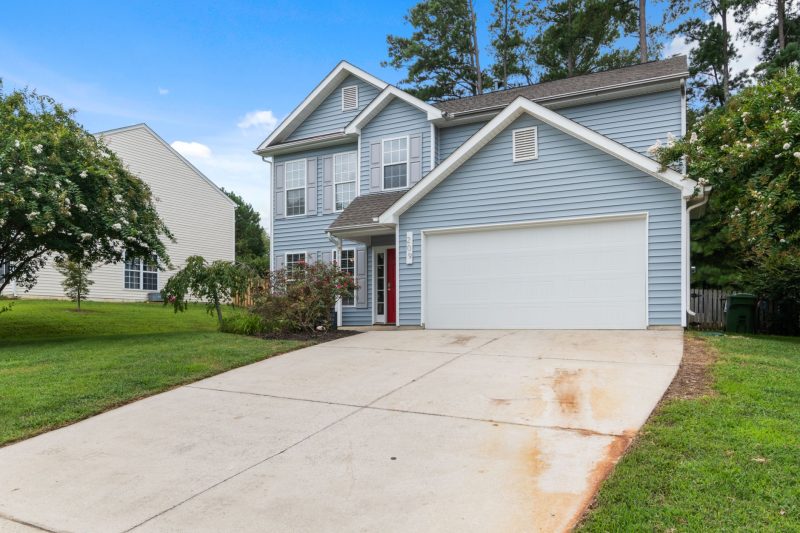
Financing a higher-priced home can feel complicated when standard mortgage guidelines no longer apply.
A jumbo loan is a mortgage that exceeds the applicable conforming loan limit and is underwritten using lender-specific requirements for credit, income, assets, reserves, and property value.
In this guide, I’ll explain how jumbo loans work, what lenders commonly review, and what I recommend before financing a higher-priced home in Houston.
Key Takeaways
- Purpose: Jumbo loans finance homes with loan amounts above the current conforming loan limits.
- Requirements: Lenders commonly review credit, income stability, liquidity, debt obligations, reserves, and the property itself.
- Down Payment: Requirements vary by lender, loan amount, occupancy, and overall borrower profile.
- Timeline: Jumbo underwriting may require additional documentation, appraisal review, and asset verification.
- Best For: Jumbo financing may fit qualified borrowers purchasing or refinancing higher-priced primary residences, second homes, or investment properties.
I serve clients through the licensed entity Juan-Carlos Sotomayor (NMLS# 2531334), with a focus on clear information and practical financing guidance. Based in The Woodlands, I work with borrowers throughout the Houston metro and other Texas markets through lending partner relationships.
Quick Answers About Jumbo Loans
- What makes a mortgage a jumbo loan? A mortgage is generally considered jumbo when its loan amount exceeds the conforming limit that applies to the property.
- Do jumbo loans always have higher interest rates? No. Pricing depends on market conditions, credit, loan amount, property type, occupancy, down payment, and lender guidelines.
- How much down payment does a jumbo loan require? It varies. Some qualified borrowers may have lower-down-payment options, while larger loan amounts or more complex files may require more equity.
- Can a self-employed borrower qualify? Yes, provided the borrower meets the selected program’s income, asset, credit, and documentation requirements.
- Are jumbo loans limited to primary homes? No. Depending on the lender, jumbo financing may be available for primary residences, second homes, and certain investment properties.
How Jumbo Loans Work in Houston
Conforming loans follow standards established for mortgages eligible for purchase by Fannie Mae or Freddie Mac. Those standards include loan limits that are updated periodically and may vary by county or property type.
A jumbo loan falls outside those conforming loan limits. Because the loan is not being underwritten within the standard conforming framework, each lender may establish its own credit, reserve, income, and property requirements.
This distinction matters in Houston, The Woodlands, Katy, Cypress, and other nearby markets where the combination of property value, lot size, improvements, and requested loan amount may place a mortgage above the conforming limit. The purchase price alone does not determine whether a loan is jumbo. The actual loan amount is the key measurement.
Current limits, rates, fees, and underwriting standards can change. As of 2026, borrowers should verify the applicable county limit and current lender requirements before making a financing decision.
What I Recommend Before Applying for a Jumbo Loan
1. Review the Full Financial Picture Early
Too often borrowers begin with the interest rate. While rate matters, structure matters just as much.
Before comparing jumbo programs, I recommend reviewing the expected purchase price, down payment, loan amount, monthly obligations, available liquidity, and post-closing reserves. I also look at how the property will be used and how long the borrower expects to hold the loan.
A lower rate may not be the right answer if the program requires significantly more cash at closing, restricts future plans, or creates an unfavorable prepayment structure. The right structure should support both the purchase and the borrower’s broader financial objectives.
2. Organize Income Documentation Before Making an Offer
Jumbo underwriting often involves a detailed review of income. Salaried borrowers may need pay statements, W-2 forms, tax returns, and employment verification. Documentation varies by program and borrower profile.
For business owners and other self-employed borrowers, the analysis may include personal tax returns, business tax returns, profit-and-loss statements, balance sheets, and proof that the business remains active. Lenders may also evaluate whether business funds can be used without harming operations.
Some borrowers may be eligible for alternative documentation through a bank statement mortgage program. These programs commonly evaluate qualifying deposits rather than relying only on traditional tax-return income. They still require documented ability to repay, and guidelines vary by lender.
3. Protect Liquidity After Closing
Jumbo lenders frequently pay close attention to reserves. Reserves are documented funds remaining after the down payment, closing costs, and other required expenses have been paid.
Acceptable assets may include checking accounts, savings accounts, eligible investment accounts, and certain retirement funds. The lender will determine which assets count, whether any reductions apply, and how many months of obligations must remain available.
I recommend avoiding major account transfers, unexplained deposits, or large purchases during the mortgage process. If funds must be moved, maintain a clear paper trail. Good documentation can reduce questions and delays.
4. Evaluate the Property Before Finalizing the Loan
Jumbo underwriting is not limited to the borrower. The property is also reviewed closely.
Higher-priced homes may have custom construction, extensive acreage, unique improvements, accessory structures, or limited comparable sales. These features can make valuation more complex. Depending on the loan amount and property, a lender may request an additional appraisal, appraisal review, or other supporting valuation.
For properties in the Houston metro, flood insurance requirements, wind coverage, homeowners insurance costs, taxes, and homeowners association obligations can also affect the final monthly payment and qualification. Insurance should be reviewed early rather than treated as a last-minute closing item.
5. Complete Detailed Pre-Approval Planning
A basic online prequalification may not be enough for a jumbo purchase. I recommend completing a more detailed review before submitting an offer.
That review should address income documentation, available assets, credit obligations, reserve requirements, property type, ownership structure, and any proceeds expected from another property. A stronger pre-approval process can identify issues before the borrower is working against a contract deadline.
Pre-approval is not a commitment to lend or a guarantee of final approval. The property, title, appraisal, insurance, documentation, and lender conditions must still be reviewed.
Jumbo Loan Requirements Lenders Commonly Review
| Review Area | What the Lender May Consider |
|---|---|
| Credit | Credit score, payment history, recent inquiries, outstanding balances, and significant credit events. |
| Income | Employment stability, business income, variable compensation, rental income, and documentation history. |
| Assets | Down payment funds, closing funds, reserves, large deposits, and the source of transferred money. |
| Debt | Housing obligations, installment debt, revolving accounts, support obligations, and other recurring liabilities. |
| Property | Appraised value, marketability, condition, occupancy, comparable sales, insurance, and property type. |
No single factor determines approval. A lender reviews the complete file under the selected program’s guidelines. Requirements are often stricter as the loan amount increases or the scenario becomes more complex.
Jumbo Loans for Different Borrower Scenarios
Move-Up Buyers
A borrower purchasing a higher-priced home may need to coordinate the sale of a current residence, access equity, or manage overlapping housing payments. Timing becomes an important part of the financing plan.
In some cases, a bridge home loan may provide short-term financing tied to existing property equity. Bridge financing carries its own costs, risks, and qualification requirements, so both the acquisition and repayment plan should be reviewed carefully.
Self-Employed Borrowers
Taxable income does not always present the full picture for a business owner. Business deductions, changing ownership interests, irregular distributions, and retained earnings can affect the analysis.
Financing is not one-size-fits-all. A traditional jumbo mortgage may work for one borrower, while a bank statement or other non-QM program may be more appropriate for another. The documentation method must match the borrower’s actual income profile and the lender’s ability-to-repay standards.
Real Estate Investors
Investors may need financing for a higher-priced rental property, second home, or portfolio acquisition. Lenders may review existing financed properties, rental income, reserves across the portfolio, and ownership structure.
Depending on the property and objective, borrowers may compare a jumbo mortgage with other investment property loan options. The decision should account for documentation, recourse, cash flow, loan term, prepayment provisions, and exit strategy.
Common Jumbo Loan Mistakes to Avoid
- Waiting to document funds: Asset sourcing can take time, particularly when funds move between personal, business, and investment accounts.
- Opening new credit: A new obligation can change monthly debt calculations and may require additional review.
- Assuming every lender uses the same rules: Jumbo guidelines vary significantly across lending partners.
- Ignoring insurance and taxes: The full housing payment matters, not only principal and interest.
- Using all available cash at closing: A larger down payment may reduce the loan amount, but maintaining liquidity may also be important.
- Choosing a program based only on rate: Loan terms, reserves, documentation, and future flexibility should be compared together.
How I Approach Jumbo Financing
Every deal is unique. My role is to understand the purchase, the borrower’s financial position, and the long-term objective before comparing programs through available lending partners.
With more than 20 years of experience in real estate finance, development, and capital markets, I work to simplify the process and identify the questions that should be addressed early. This is especially important with larger loan amounts, complex income, multiple properties, or custom homes.
If you are considering a higher-priced home in Houston, The Woodlands, Dallas-Fort Worth, Austin, San Antonio, or another Texas market, I invite you to call, text, or email Zynergi Capital. We can review your scenario, compare available options, and discuss pre-approval planning and next steps. Residential mortgage lending is also available in Florida through licensed channels.
Frequently Asked Questions
Why do jumbo lenders require financial reserves?
Reserves show that a borrower has funds available after closing to manage mortgage payments and other obligations. The required amount and acceptable asset types vary by lender, loan amount, occupancy, and overall risk profile.
Can bonus, commission, or restricted stock income be used for a jumbo loan?
These income sources may be considered when they meet the lender’s history, documentation, and continuance requirements. The lender will commonly review past earnings, current compensation, vesting terms, and the likelihood that the income will continue.
Will a jumbo loan require more than one appraisal?
Some lenders require a second appraisal or additional valuation review for larger loan amounts, unusual properties, or files with limited comparable sales. The specific requirement depends on the lender, property, and transaction.
Can proceeds from selling another property be used for closing?
Yes, sale proceeds may be used when the transaction and transfer of funds are properly documented. If the purchase will close before the sale, the borrower may need another acceptable source of funds and sufficient qualification for any overlapping obligations.
Can a jumbo loan finance a condominium or custom home?
Potentially, but the property must meet the lender’s eligibility and valuation standards. Condominium projects may receive additional review, while custom homes may require closer analysis of comparable sales, construction quality, and marketability.

About the Author
Juan-Carlos Sotomayor
Managing Principal at Zynergi Capital · NMLS #2531334
Juan Carlos Sotomayor brings more than 20 years of experience across real estate, lending, development, and capital structuring.
Specializes in: Investment Property Loans, DSCR Loans, Construction Loans
Licensed in: FL, TX
Related Posts